Planning and budgets
How to Compare Wedding Vendor Quotes
By MyWeddingDayUpdated
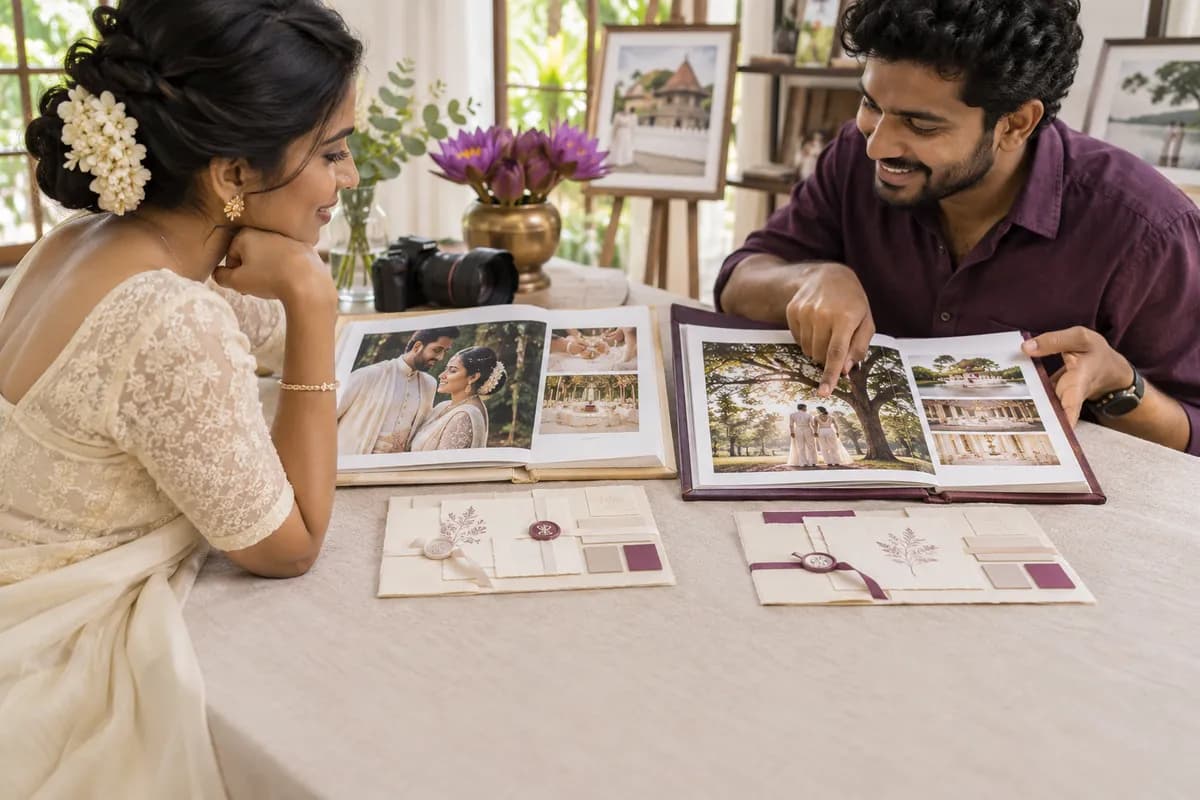
Two wedding quotes often describe different amounts of work. A photographer might quote eight hours with two shooters while another offers a lower price for six hours with one. Send the same details to each vendor, then compare what you would actually receive on the day.
Give suppliers a matching brief
Share each event date, venue area, approximate guest count and the start and finish times you need covered. Include travel between venues, restrictions on access and any traditions or group photos that affect staffing. Ask for an itemised quote that lists its validity date.
For decor, attach a floor plan or venue photos if you have permission. Ask suppliers to identify items they supply, install and collect. For photography, ask who will be there, how images are delivered and whether printing or albums come with the package.
Convert each offer into an all-in comparison
Make one column per supplier and one row per deliverable. Add likely travel, overtime, equipment or delivery charges as separate rows. Leave an unanswered row marked 'confirm' so a gap never reads as included.
If one coverage option ends just before the departure you want photographed, ask for a revised total with the full timing. Compare that price with the longer offering and bring the expected arrival period into the agreement.
Settle responsibilities before paying
Ask who handles date changes, what happens if a named team member is unavailable and when balances are due. Save the agreed quote and any written changes with your receipt. Share a contact name and arrival instructions closer to the wedding so the supplier knows who can answer questions on site.
Spot a gap between two photography offers
Look at a worked pair of invented offers. One team charges LKR 165,000 for six hours, with edits delivered in a gallery and no specified second photographer. Another offers eight hours and two people for LKR 208,000. If you need seven hours to cover portraits, the ceremony and the first hour of dancing, ask both for seven-hour totals and confirm which photographer arrives for the portraits. The first option may still suit your event if portraits and guest arrivals do not need simultaneous coverage, and the second may have a firm delivery date you value.
Ask each team to state exactly what the gallery includes, when you can expect it, the cost of travel between locations and who decides whether the crew stays late. Put the answer beside the corresponding part of your schedule. Then compare based on the moments, turnaround and deliverables your families have actually agreed. When you accept one option, pin the named team and delivery terms to your confirmed quote so someone can check them after the event.
Ask for a written comparison of the same service
Give the suppliers the same event schedule, venues, rough guest count and access restrictions. Describe what must be ready at the start time and when equipment can be collected. For services that depend on coverage or unit counts, request those numbers in the quotation itself. A photobooks package can have the same name with different sizes and image counts. A decor hire price can include or exclude the team required to carry items upstairs. Ask the vendor to identify assumptions in its own words.
List the details you care about in rows and each proposal in a column. Compare crew size, duration, delivery, transport, teardown, overtime rates, extra equipment and the person responsible for coordination. Next to any item that is described vaguely, enter a question and date the supplier's reply. If you expect to use an add-on, include it in the working total. Also confirm which items have limits. Extra portraits, a meal tasting or an additional pickup might be possible within a defined time, with a price change after that.
Before confirming the booking, send a summary of the option you are accepting and ask for a written agreement reflecting the same scope and dates. Keep the earlier quote so a later change can be traced. Let the venue know about the agreed arrival, capacity or access conditions that involve its staff. When the people providing adjacent services understand the same plan, they are less likely to duplicate equipment or leave an unassigned task for the family to solve on the day.
Price two scenarios before approving a spend
Use the same guest and service assumptions in both columns. Start with the accepted venue layout and the number of places it actually holds. Put room hire, staffing and contracted minimums in fixed rows. Put meals, vehicle seats, favours and invitation quantities in rows that can change. Mark each figure as confirmed, estimated or awaiting a written quote. If a relative is paying for one item, record which invoice it applies to and when their contribution is expected.
Suppose a venue can seat 140 people in the first layout and 156 in another, and the second layout requires another service station. Ask the venue to work up the total for each layout, including mandatory charges. Add the incremental cost of fifteen meals, a different shuttle size and the extra equipment that each supplier confirms. The example numbers describe a method. Your real budget should come from your own package and guest list. If the two layouts differ in accessibility or cover from rain, write the trade-off beside the price.
Before deciding, calculate what cash is needed by each payment deadline. The option with the lower overall cost can still put pressure on next month's funds if its deposit is due immediately. Record the cost impact of a change on the existing budget and retain a separate reserve line for known uncertainties. Have the person who confirms spending read back the accepted amount and give the family or supplier a short written update.
Put every supplier payment on one ledger
Create a row for each signed booking and list the supplier's trading name, package, agreed total, deposit received, remaining balance and next due date. Keep the actual agreement and receipt with that row. If instalments are scheduled, record each in its own dated entry. Include the named person who approves spending and the person who makes the transfer. The organiser can then tell whether a bill is outstanding, promised by a family member or already paid without reopening multiple chat threads.
For example, a made-up caterer quote of LKR 360,000 with LKR 90,000 paid leaves LKR 270,000. If a confirmed layout change adds LKR 18,000, write the approved new total as LKR 378,000 and keep a reference to the earlier version. The outstanding balance becomes LKR 288,000. Ask the supplier to confirm the change and what payment milestone it affects. Save acknowledgements and receipts using the same supplier and event names so an on-day coordinator can find them quickly.
Agree how the team will confirm payment details. Use a known supplier contact to verify any new account details or a change of payment recipient, and store only the reference and receipt where other planners need access. At the final handover, give the payer a short list of expected balances, accepted payment methods and who signs the receipt. A substitute organiser should be able to match a claimed payment to its invoice without needing to see a private bank message.
Write down what happens when a supplier is delayed
Identify the part of the event that depends on the service and the latest time the supplier can start without moving that part. Ask the supplier for a day-of contact and the person who takes responsibility if the assigned crew is unavailable. Confirm whether staff can suggest a substitute and how a change is approved. Use agreements and verified contact details so the family can get a clear answer without relying on a forwarded number from someone who may be busy.
Think through a realistic delay. If music is late, the ceremony lead and MC need to know which cues can be covered by venue equipment. If a vehicle is late, the travel contact should know which guests are affected and whether they have a safe waiting location. Ask the venue which spaces or equipment are available as backup. Assign someone to trigger the fallback after a fixed time and tell the person who will notify the next team. Keep guest-facing messages brief and focused on what people need to do next.
Avoid authorising a rushed replacement against vague terms. Where spending or scope changes, name the person who can accept it and ask for a clear written amount and arrival time. Use the run sheet and handover brief to communicate the change. Afterward, update the supplier record with the actual service and any follow-up promised. This helps the family reconcile invoices and pass accurate information to anyone handling a second event.