Guests and ceremonies
How to Make a Sri Lankan Wedding Easier for Older Guests
By MyWeddingDayUpdated
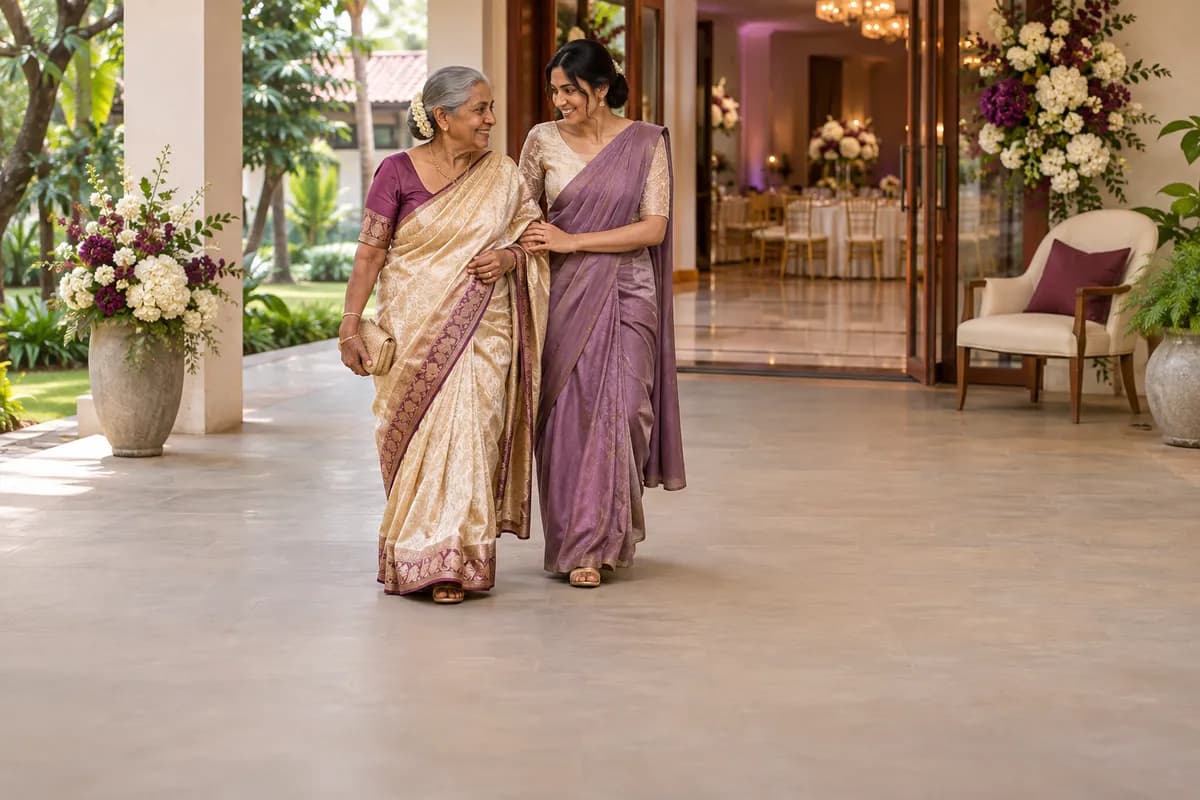
Good access often depends on small details that venue photos do not show. Talk to the guests or their contacts, walk the route they will use and decide who can help them from arrival to departure.
Walk from the drop-off to a practical seat
Visit with the venue coordinator or someone who knows the needs of the guests attending. Find where a car can stop close to the correct door without blocking the next vehicle. Ask whether attendants can use an alternative entrance if it rains or the main hall has stairs. Check if there is a chair near the pickup area and look at the route to toilets and any second room. If a lift or ramp is part of the route, ask when it will be available and who can help if the route changes.
When the room plan is settled, place people with companions and an easy path out before adding decoration or sound equipment. Ask about hearing questions, crowded areas or spaces that make conversation difficult. Give the arrival lead a discreet list of practical actions. For example, a helper may need to meet one household at the covered entrance and show them a seat before taking the car away. No one else needs the reason.
Make the return journey part of the plan
Check lighting, protection from rain and late vehicle pickup. If guests want to leave before the last shuttle, give them the earlier pickup point and the number of the person who can arrange it. Print one simple set of directions with the correct room and timing or explain by phone if the guest prefers. Ask them to tell you what time and door they expect to use so an error can be corrected in advance.
Check guest access between the vehicle, room and facilities
Ask guests privately what would make the event easier to attend. A person may need a closer drop-off, a seat while waiting, step-free access, a companion or a quieter place during long pauses. Write down the action needed and who will help. Share requests only with people arranging the support. A driver usually needs the pickup instructions and capacity, while a venue contact needs the physical access or seating requirement.
Walk the full route with venue staff, preferably with the same doors and lifts that will be available on the day. Check the surface after rain if it was wet on your visit, the height of steps, evening lighting and where guests can reach toilets. Ask what happens if a lift is unavailable or a scheduled entrance is shared with another event. Work out an alternative with the venue and tell the person receiving guests where it begins. Confirm where anyone needing help can wait under cover while a vehicle is being moved.
Test the directions with a trusted person who has not visited. Send the map pin, entrance description and phone contact and ask them to say where they would get out. Prepare a shorter version for someone who prefers a phone call. Tell the welcome team how to greet guests discreetly and which lead can change a seat or route. At the end of the event, check the pickup position again because lighting, parking and traffic may differ from arrival.
Check the venue approach and send directions people can follow
Use the map pin from a phone the way an arriving guest would. Test the approach from a common road or pickup location, and confirm with the venue which entrance it wants used. If the pin identifies the property but opens a different driveway, add a short landmark and the exact gate or room name. Ask whether the roads and drop-off are suitable for cars, vans and any larger group vehicle. Include a sheltered place to drop off older guests if one is available.
At a location with separate parking or several entrances, write a different route for guests and suppliers. Have a parking or welcome contact ready to answer short calls. Check where someone can wait for a pickup after dark and where a driver can turn without blocking arrivals. If the invitation includes an embedded map, open it from a normal guest phone and make sure it goes to the right entrance. Include brief text directions for someone whose map connection is slow or who is travelling with a driver unfamiliar with the area.
Confirm signs with the venue in advance. Agree their wording, position and how much space they need. Ask someone who has never visited to follow the same instructions without extra hints. When you change an entrance, send the update to the people using it and make sure a helper at the earlier location can redirect anyone working from an old card or forwarded message.
Test the floor plan as a guest would use it
Ask the venue for the actual tables, chair sizes and service positions included in your booking. Take an entrance-to-seat route and then a seat-to-toilet route. Check what happens when the buffet, emergency exits and photography positions are in use. A floor plan can show a clear line while real chairs or a decoration stand reduces that space. Agree with the venue how to place high chairs and how to seat guests who ask for easier access. Record the accepted capacity of each table before moving people between groups.
Start placing households with the least flexibility. A person who needs a companion should have space for both. A parent with a child may need an easy route out. Think through conversations and sight lines for family tables, and check where music is loud. Move a whole group or ask the person who knows it to help when splitting is necessary. Record a small number of seats you can use for late changes if the venue agrees and there is room to serve them.
Walk the final layout with the person who will direct guests. Check table numbers as they will be visible from the entrance, including where an easel or sign could slow arrivals. Create a plain name-sorted lookup for the welcome desk and a table-numbered plan for room setup. Include the seat counts and any discrete service instructions in the staff copy. Recheck the route after setup so a late change to equipment does not undo the work.
Build a transport manifest households can use
List each departure and return by hotel or meeting point. Record the time people should arrive, the time the driver leaves, the expected seat count and the person confirming it. Ask the transport provider about luggage, child seats and the type of vehicle that fits each approach. Walk or test the pickup at the relevant hour if possible. A turning place workable for a car can be hard for a larger vehicle when other guests are arriving.
Use one message per pickup group. Include the local date and meeting time, the correct map pin or door name, the host contact and the return arrangements. Tell people what to do if they arrive after departure and where they can wait for help. Give each driver the list they need for their own group and keep travel details private. When booking from overseas, confirm dates across time zones and ask the provider to repeat the local time. Agree who calls out a change when a flight is delayed or a driver switches vehicles.
On the wedding day, ask each pickup contact to confirm when their group has departed. Tell the venue if the delay affects a ceremony or fixed meal service. After the event, check that the pickup area is lit and arrivals with different departure times have a waiting position. Use a list that can be checked on a phone or printed, with a named backup if the primary contact is at another venue.