Invitations and RSVPs
A Guest Says Their Wedding Invitation Link Won’t Open
By MyWeddingDayUpdated
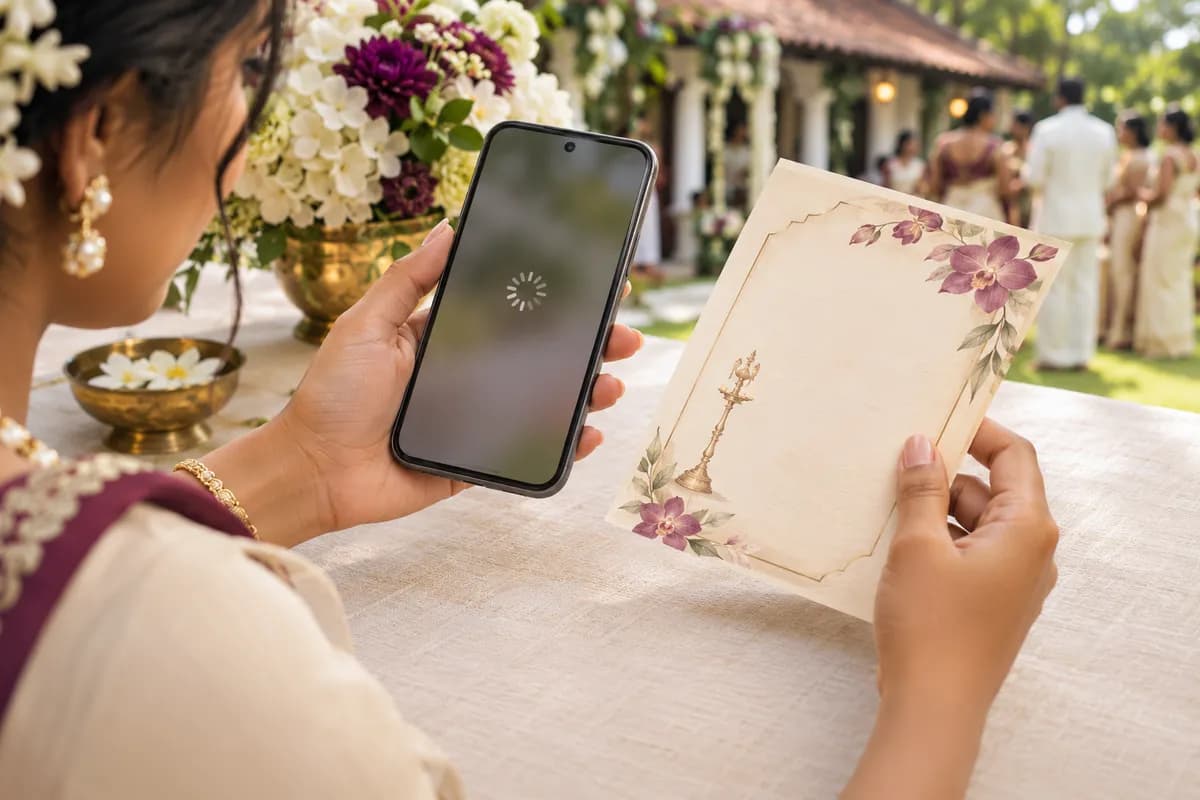
Start by asking what the guest sees and which event they are trying to open. There may be a clipped link, a copied earlier message or an invitation setting that the organiser can check. Help the person get the practical details while you investigate.
Ask for the error in words and test a fresh sample
The guest may say the page is unavailable, the map fails or the reply button spins. Those are three different checks. Confirm the guest is using the most recent direct message. Check the intended household and event in the workspace, including whether the invitation was prepared and shared. Open a sample invitation from a signed-out phone on a similar connection. If your sample works, confirm the household link was copied in full and send it by direct message after verifying the person and event.
If several people report the same issue, pause that batch and work out whether it affects one type of invitation or all links. Check a sample with the actual event, language and reply method. Keep a short note of when the problem occurred and the error wording. When seeking help, share those details without forwarding personal guest links into a wide group. Once a correction is made, test the full journey from opening to submitting a reply.
Make the fallback useful while you check the issue
Tell the guest the event, local date, arrival time and verified entrance. Offer a call or message reply if needed. Add their attendance to the usual household record and note how it was confirmed. When the link is fixed, confirm the guest already has the details and avoid asking them to report the same attendance twice.
Test the invitation on a phone outside your workspace
Send a sample to a trusted person using the channel most guests will receive. Have them open it outside your owner account on a phone. Ask them to find the event title, the arrival time, the map and the reply form without instructions. Try the link from a messaging app and a normal browser. When the invitation offers personal details, use a test household with sample names. This gives you a way to test personalisation and access without exposing someone's real guest record.
Check the display on a smaller screen and under an ordinary mobile connection. Photos should leave the event details quick to reach. Scroll to the reply area and check what happens after the test person submits one attending guest, declines or closes the page before submitting. Confirm the wording for successful submission and check where the completed reply appears in the workspace. If you are collecting responses for several events, repeat the test for each event invitation and compare the saved replies to the actual selection.
Verify the external parts as well. Check that the map pin has the right vehicle approach and that the displayed reply number is reachable. Open a revised test version if you change a date or entrance after first approval. Keep the sample message and record the final test date where the sender can see it. When you find a fault, fix it before sending to the next batch and keep a short fallback message ready for a guest who needs the details by phone.
Keep personal invitation links with the intended household
Before handing out links, distinguish a general information page from an invitation that already identifies a guest group. A general directions page can be shared with a larger audience if it contains only public information. A personal link should reach the intended household directly. Check the recipient and event when copying it. If a family helper is sending links, give them the minimum set they need and use household names that make a mix-up easy to spot.
If a personal link lands in the wrong chat, contact the person who sent it and have them stop the batch long enough to identify the affected household and event. Ask the unintended recipient to disregard it. Check whether anyone submitted an answer before you treat the record as the household's response. Use whatever replacement or sharing controls the workspace provides and test the new link with the recipient. Where you cannot confirm the old link's status, keep a record of which reply channel you have agreed with the household.
Send corrected information in a fresh direct message with a clear explanation of which invitation to use. Keep the incident record limited to what the organiser needs and avoid forwarding screenshots with unnecessary contact or guest details. Review how the mix-up happened before sending another batch. A common fix is to open one household record at a time and confirm the sender can repeat the event name and recipient before copying the link. That check also helps when two relatives have similar names.
Read the invitation from the guest's side
Give the draft to a person who knows the family and to a person who knows only the venue area. Ask them to describe who can attend, the occasion, the time to arrive, where to go and what action the sender wants. Include a reader who uses the other language where you have more than one version. Their answers will identify assumptions you and the designer have been making. Someone may read an arrival window as the start of the ceremony or think that the hotel name is enough to identify its event rooms.
Group practical information together. Write the event name, full local date, arrival time, room name and venue area with enough space for the longest version. Keep the reply method and date close to each other. If the couple has separate guest groups for the ceremony and reception, test a real example of each type of invitation. Check that the correct household names and relevant events appear, and that the sample does not mention a room or time from a separate event.
Give the reviewer the actual printed proof or the linked page on a phone. Ask them to find the message again without your help. If you need a change, correct the master event details and regenerate affected versions. Afterward, verify the changed field and what sits immediately above and below it. An edit can move a line or make a label less clear. Approve with the person handling delivery and agree which version they will use.
Work from the venue's cutoff to the RSVP follow-up
Confirm when the venue needs attendance and when it needs any per-table meal or access details. Decide which of those commitments happens first. Set a reply date far enough in advance to give your team a real opportunity to make calls and clarify incomplete answers. For several events, record a separate cutoff if each venue needs different information. Put the date beside the invitation's method for replying and let relatives who collect answers know when you will need their updates.
After the reply date, split follow-up according to what you need to ask. A household with no reply gets a reminder naming the event and listing the people expected. A partial reply gets one specific question about which guest or event is uncertain. If anyone is waiting on travel, tell them when you can hold a place and ask them to confirm by that day. Offer a phone reply where the guest finds a form difficult. Use a single owner for each household and enter the result in the same attendance list.
At the count deadline, give the venue counts per event using its agreed format. Keep uncertain guests separate from confirmed attendance in your own record and explain the agreed policy for late replies to your team. If the venue can accept an addition, revise seating and any meal instructions in the same handoff. The quickest response for a late reply is an accurate answer about what space really exists, followed by a confirmation to the guest.