Invitations and RSVPs
When Wedding RSVP Forms and Phone Replies Don’t Match
By MyWeddingDayUpdated
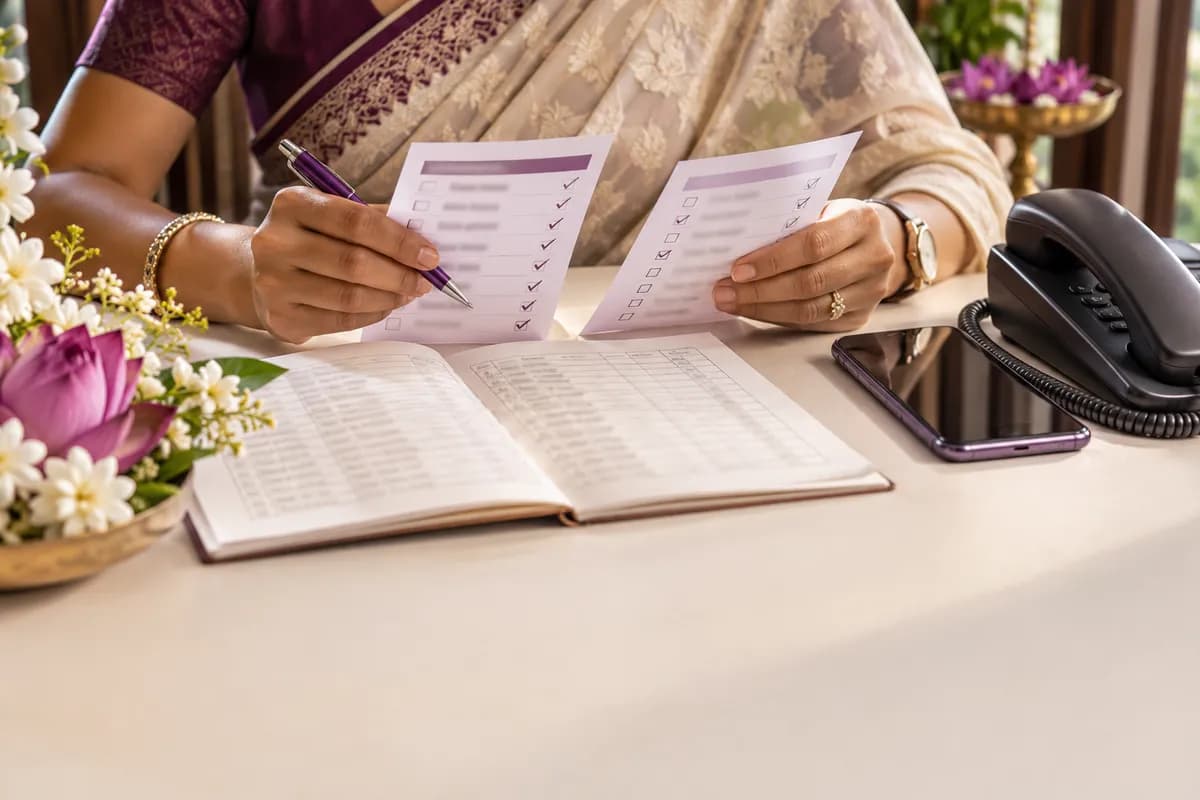
A “yes” on a form, a later phone call and a different message from another relative can all refer to the same household. Review the intended people and event before changing a meal or table count.
Review the event and guest before trusting the latest reply
Imagine two people accepted a reception invitation online, while a parent says by phone that three members will attend the homecoming. The later call probably describes a different event. Ask who is attending the reception and who is attending the homecoming, using the dates in your question. If a household sends a definite correction, mark it as the current reply for the affected people only. Keep the date and channel so another organiser can tell why the total changed.
Check whether the household listed a plus-one or an uninvited member. If the venue can accommodate them and the family approves, record that person and confirm the invitation explicitly. If there is no place, ask the household whether its original guest can attend under the existing arrangement. Avoid moving people onto the final seating plan while this is unresolved. Give the catering lead a confirmed count and a separate list of questions the organiser is still handling.
Freeze a version and keep a short change log
At the venue's cutoff, write down when the attendance and seating copies were last reconciled. Set one place for later changes, including exactly who will tell catering and reception staff. Once a correction is entered, have the contact confirm it back to the household. That closes the loop and keeps two helpers from restarting the same discussion during the final week.
Compare the household record with the actual attendance
Group names the way invitations will be delivered. Give each household one contact and one invitation owner. Then record the people inside the group and which events each person can attend. The same guest might join the ceremony and reception while another member of the household attends only the reception. Recording the assignment at person level lets you prepare seat and meal numbers without requiring the family to deal with several separate contacts.
A test record could be the Perera household with four invited people. Two are expected at the ceremony and three at the reception. One of the three needs a high chair. When the reply comes in saying that only the parents will attend, clarify which event the answer refers to before editing the other count. Record the channel and date of the final confirmation. Keep pending attendance visible until the follow-up owner has checked it. Where people appear under two family lists, decide who sends the invitation and preserve a note so both helpers know it has been handled.
Before sending the count to a venue, inspect a sample of households that contain several guests and attend different events. Check that each person is counted once in each relevant event. Send the caterer the count and the meal categories you agreed to share. Give the welcome team the limited information it needs to seat people. Keep contact details and private notes with the organiser responsible for following up.
Reconcile attendance, seating and catering counts
Take a snapshot after the final reply date and give it a date and event name. Compare people marked attending with seats assigned and meals ordered. Keep vendor meals, children's meals and high chairs visible in separate fields, then confirm how the venue wants them counted. Review any groups with people arriving at different parts of the celebration. A guest joining for the meal may need a seat even if they missed the ceremony. A performer who needs a meal may be counted by the caterer without appearing on the guest seating chart.
Try a three-column check for a sample event. If there are 122 confirmed guests, 120 seats marked in the room and 126 guest meals requested, ask what explains each difference. The missing seats may be children sitting with their families or a table assignment that was skipped. The four extra meals might be agreed reserve portions. Record each explanation instead of adjusting totals until they happen to agree. Ask the venue which tables can absorb late additions and how meal numbers change when a guest switches categories.
Once the numbers reconcile, make the final handoff by event and version. Send setup staff the table plan, the caterer the counts and the welcome team the name or household lookup it needs. Record changes after that time in one place. Make sure every person using an older copy hears about a change affecting their role, especially when two teams print the plan at different times or take over from earlier shifts.
Work from the venue's cutoff to the RSVP follow-up
Confirm when the venue needs attendance and when it needs any per-table meal or access details. Decide which of those commitments happens first. Set a reply date far enough in advance to give your team a real opportunity to make calls and clarify incomplete answers. For several events, record a separate cutoff if each venue needs different information. Put the date beside the invitation's method for replying and let relatives who collect answers know when you will need their updates.
After the reply date, split follow-up according to what you need to ask. A household with no reply gets a reminder naming the event and listing the people expected. A partial reply gets one specific question about which guest or event is uncertain. If anyone is waiting on travel, tell them when you can hold a place and ask them to confirm by that day. Offer a phone reply where the guest finds a form difficult. Use a single owner for each household and enter the result in the same attendance list.
At the count deadline, give the venue counts per event using its agreed format. Keep uncertain guests separate from confirmed attendance in your own record and explain the agreed policy for late replies to your team. If the venue can accept an addition, revise seating and any meal instructions in the same handoff. The quickest response for a late reply is an accurate answer about what space really exists, followed by a confirmation to the guest.
Give each household a clear delivery owner
Make a list that groups invitees by the person receiving the invitation. Record the event, the preferred channel, the language, the sender and the date it was sent. A parent delivering print copies may have a different list from a cousin sending WhatsApp messages. Both should work from the same household record. Where more than one person helps, agree which person has the latest contact details and handles follow-up. Record a call or personal visit alongside a digital send so a household does not get several unexplained reminders.
Before sending a batch, check names and event against the message or envelope. Put time aside for calls to guests who use a shared phone, have a new number or need directions explained. Ask the delivery owner to mark returned envelopes, undelivered messages and wrong contacts. An unchanged delivery date is enough for the first send. For a correction, add a new dated entry and mention what changed so a second person can see why the household was contacted again.
Track delivery separately from the reply. A guest can have received the card and still be deciding. Equally, someone can confirm by phone before a paper card arrives. At the next family check-in, review only the households with a delivery problem, pending reply after the cutoff or a change that requires a new message. Keep the contact information with the delivery team. The caterer and venue can usually work with totals and table instructions without receiving everyone's numbers.