Invitations and RSVPs
How to Tell Wedding Guests the Venue Has Changed
By MyWeddingDayUpdated
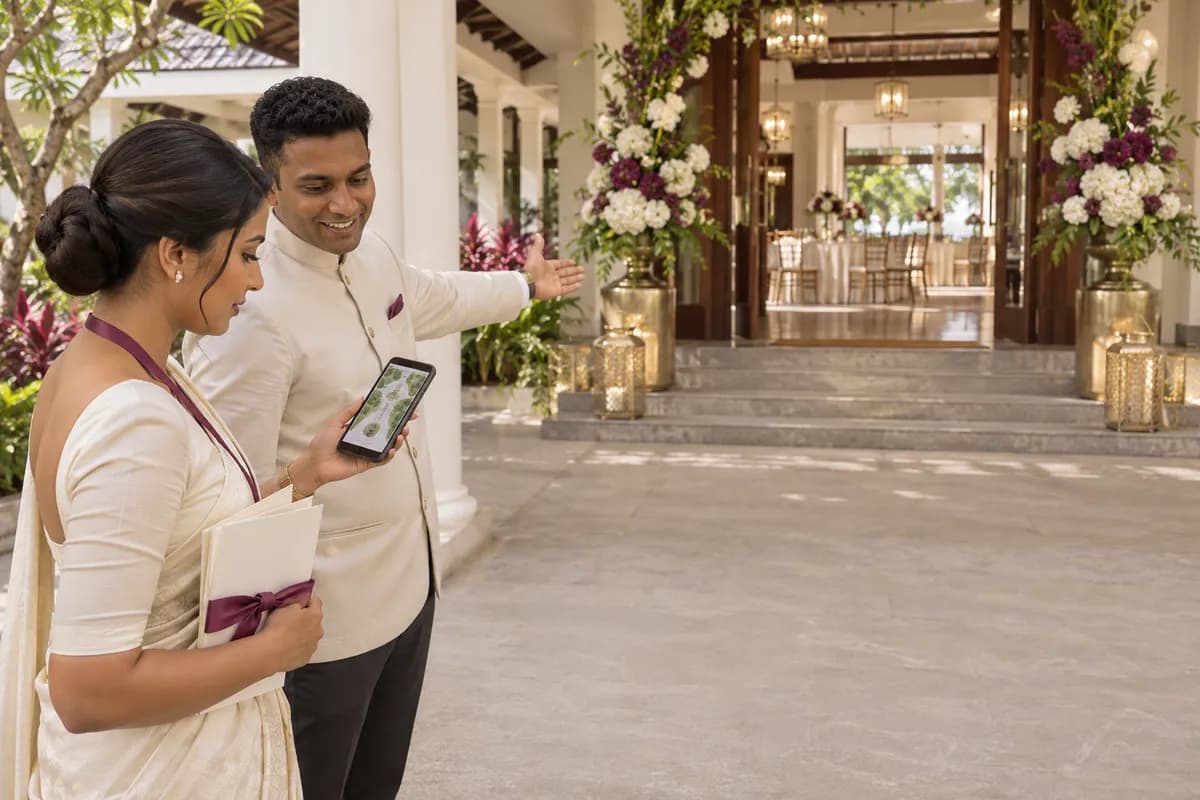
A venue change affects guests, drivers and suppliers differently. Confirm the replacement room, date, hours and usable layout first. Then send each group the instructions it needs and check that the people relying on the old venue receive them.
Make the first line the detail guests need to act on
Use wording such as “Venue update for our wedding reception on [date]. Please come to [new venue and room] at [arrival time]. Use [tested map pin]. The original location has changed.” Give a number for questions and state whether the room, date, arrival time or shuttle plan also changed. If two celebrations are on the same invitation, name the affected event and put the new details above the reply link. Ask guests who have already replied to acknowledge the change where attendance or travel may be affected.
Call people with group transport, access arrangements or bookings near the previous venue. Give the driver a new approach test and meeting point before promising a pickup. Ask the replacement venue to confirm the parking, waiting area and route from car to room. If time is short, arrange a person or sign at the old site with the venue's agreement. Check the actual direction notice someone will see if they followed a paper card.
Confirm the setup change using a separate supplier brief
Send loading directions, setup hour, room plan, equipment requirements and the new venue floor contact to suppliers. Ask each contractor to confirm the new location and state whether it affects its quote. Record the approved changes and who pays them. Keep guest messages separate from cost and setup discussions. Update the schedule and invitation page before the final attendance reminder goes out.
Keep a change record when the plan moves
Start from the last version the venue and suppliers received. Add the date and time of the change, the old instruction, the new instruction and who approved it. Record the impact by event. A different ceremony venue could affect printing, driver pickup, guest access, sound setup and the sequence of family photos. Assign one action owner for each effect and give them a deadline. The person making the decision should know which commitment the change depends on, including any extra cost or time agreed by a supplier.
Use a simple format for outgoing messages. Lead with the affected event and the updated detail. Add who needs to act, what the recipient should confirm and the best number to call if there is a problem. Send only the appropriate information to each audience. The invitation update may carry a new guest entrance and time. The supplier message may need the loading route and sound check slot. Keep vendor pricing and private guest details in the records used by the people who need them.
After sending, ask the person receiving the change to reply with the detail they will use. Confirm the photographer saved the new room, the driver has the new meeting point and the family contact has the current arrival message. Update the guest count or schedule in the planning workspace and archive the old working copy. A small read-back is valuable when reception staff work different shifts or family volunteers step in at short notice. It catches a surprising number of changes before someone arrives at the old location.
Check the venue approach and send directions people can follow
Use the map pin from a phone the way an arriving guest would. Test the approach from a common road or pickup location, and confirm with the venue which entrance it wants used. If the pin identifies the property but opens a different driveway, add a short landmark and the exact gate or room name. Ask whether the roads and drop-off are suitable for cars, vans and any larger group vehicle. Include a sheltered place to drop off older guests if one is available.
At a location with separate parking or several entrances, write a different route for guests and suppliers. Have a parking or welcome contact ready to answer short calls. Check where someone can wait for a pickup after dark and where a driver can turn without blocking arrivals. If the invitation includes an embedded map, open it from a normal guest phone and make sure it goes to the right entrance. Include brief text directions for someone whose map connection is slow or who is travelling with a driver unfamiliar with the area.
Confirm signs with the venue in advance. Agree their wording, position and how much space they need. Ask someone who has never visited to follow the same instructions without extra hints. When you change an entrance, send the update to the people using it and make sure a helper at the earlier location can redirect anyone working from an old card or forwarded message.
Keep one master copy for digital and printed details
Place the event name, room, date, arrival time, map pin and RSVP method in one reference that both the stationery and digital teams use. Add separate rows for each event, including the homecoming if it has its own location and headcount. Agree who can approve a change. A designer should know which details are confirmed and which ones can remain as placeholders in a proof. A family volunteer should know which copy to use when answering a guest's question.
When an update is approved, mark the exact old and new details and list which materials already went out. A change to parking instructions may require an updated digital page, an insert and a message to guests catching a shuttle. A date or venue change may require a broader notice. Use language that spells out the new instruction and the event it affects. Send it by the same channel the household used previously if that channel reached them. Make a phone call where the change has a large impact and the usual recipient is hard to reach.
Test the new version like a fresh invitation. Check that the URL opens, the map pin points to the correct approach and the displayed dates still match the event that the household can attend. Date the master and keep one record of whom you contacted. A volunteer who joins near the wedding can then answer from the current information without guessing which card or chat message was the latest.
Build a transport manifest households can use
List each departure and return by hotel or meeting point. Record the time people should arrive, the time the driver leaves, the expected seat count and the person confirming it. Ask the transport provider about luggage, child seats and the type of vehicle that fits each approach. Walk or test the pickup at the relevant hour if possible. A turning place workable for a car can be hard for a larger vehicle when other guests are arriving.
Use one message per pickup group. Include the local date and meeting time, the correct map pin or door name, the host contact and the return arrangements. Tell people what to do if they arrive after departure and where they can wait for help. Give each driver the list they need for their own group and keep travel details private. When booking from overseas, confirm dates across time zones and ask the provider to repeat the local time. Agree who calls out a change when a flight is delayed or a driver switches vehicles.
On the wedding day, ask each pickup contact to confirm when their group has departed. Tell the venue if the delay affects a ceremony or fixed meal service. After the event, check that the pickup area is lit and arrivals with different departure times have a waiting position. Use a list that can be checked on a phone or printed, with a named backup if the primary contact is at another venue.