Venues and destinations
Your Outdoor Wedding Venue Has No Indoor Backup. What Can You Do?
By MyWeddingDayUpdated
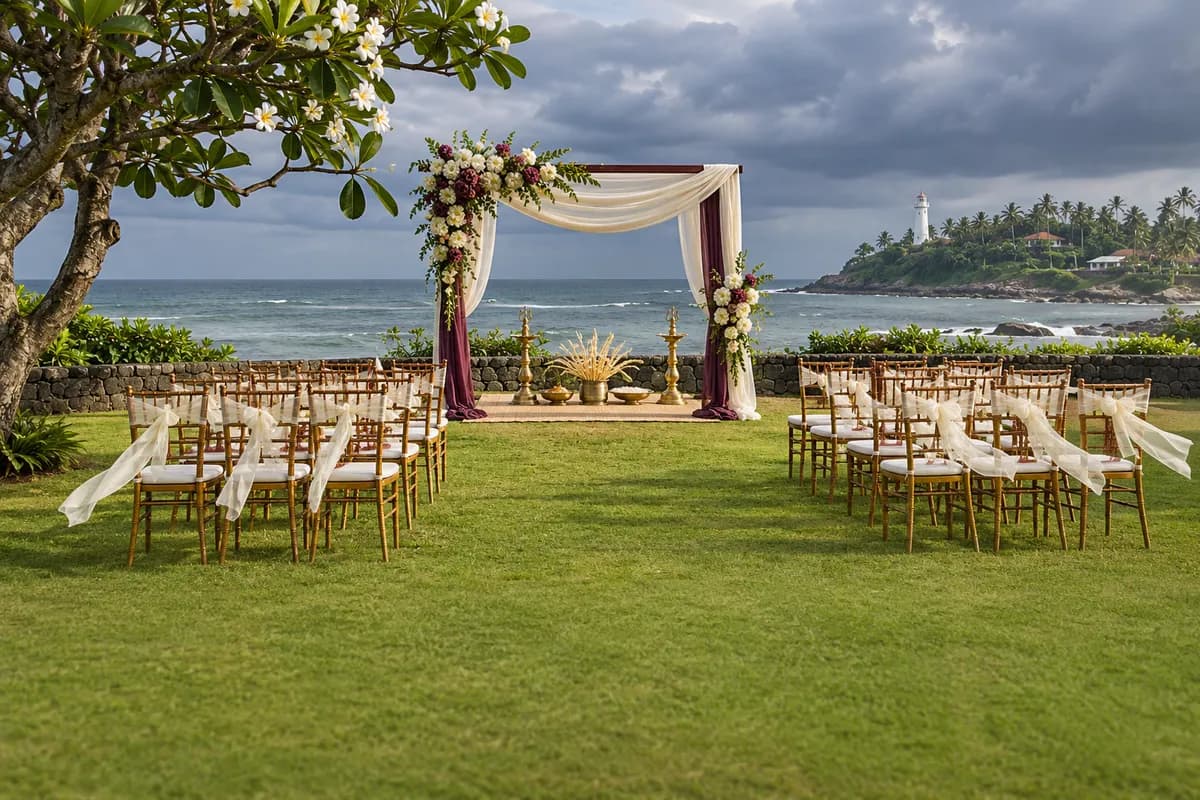
When an outdoor site has no suitable indoor room, decide what alternatives you can actually book, move or reschedule. Compare capacity and guest access before assuming a small shelter will serve the full wedding.
Compare three real weather options for the event you planned
Ask what space the venue can guarantee and whether a temporary covered layout could be provided with the staffing and access you need. Ask the provider and venue to say how they assess whether any temporary plan is suitable. Check whether a nearby indoor room is available for the full group at the correct time and how guests and vendors would reach it. A mixed plan, such as a shorter outdoor ceremony and guaranteed indoor reception, may preserve what matters if both rooms are actually available.
Write down the cost, required decision time and practical limits of each option. Include tables and seats, route between vehicles and room, supplier setup and the conditions under which the backup can be used. If the only available shelter holds fewer people, discuss the guest and service implications before you accept it. Check whether a separate venue changes transport bookings or anything printed already. Ask the venue to record what is guaranteed in writing so the family can make an informed decision.
Use a decision deadline tied to real setup time
The latest useful moment is when the venue and suppliers can still complete the change and guests can receive a clear message. Assign one person to make the call with the venue. Give them prepared instructions for drivers, suppliers and guests. If rearrangement is needed, call households relying on accessible routes and ask the arrival team to verify the updated approach before anyone leaves for the event.
Decide when and how to move under cover
Ask the venue which indoor layout is guaranteed and how it accommodates the planned guest count, service and ceremony. Walk both routes along with the people responsible for setup, sound and guest arrivals. Check what equipment can move, what needs to be duplicated and which access paths remain comfortable when wet. Where a temporary structure is proposed, ask the venue and provider how suitability is assessed and who makes the decision about using it.
Give the switch a real deadline. If setup staff need an hour to move furniture, attach that time to the latest decision the venue accepts. Put the deadline in the run sheet beside the name and phone number of the person who can approve the move with the venue. Decide how the team will hear about it quickly. A venue operations lead might alert catering and sound while a family contact updates arrivals and drivers. Check whether the backup affects portrait locations or anyone who relies on a specific accessible route.
Prepare two written arrival instructions and confirm the backup room name in advance. When you switch, send the replacement as a new message that plainly names the current entrance and time. Have venue staff post signs or put a person at the original approach when people may already be travelling. Ask the coordinator to check that each affected supplier has read the revised plan. During cleanup, record how the changes worked if you have a second event that can use the same venue or teams.
Price two scenarios before approving a spend
Use the same guest and service assumptions in both columns. Start with the accepted venue layout and the number of places it actually holds. Put room hire, staffing and contracted minimums in fixed rows. Put meals, vehicle seats, favours and invitation quantities in rows that can change. Mark each figure as confirmed, estimated or awaiting a written quote. If a relative is paying for one item, record which invoice it applies to and when their contribution is expected.
Suppose a venue can seat 140 people in the first layout and 156 in another, and the second layout requires another service station. Ask the venue to work up the total for each layout, including mandatory charges. Add the incremental cost of fifteen meals, a different shuttle size and the extra equipment that each supplier confirms. The example numbers describe a method. Your real budget should come from your own package and guest list. If the two layouts differ in accessibility or cover from rain, write the trade-off beside the price.
Before deciding, calculate what cash is needed by each payment deadline. The option with the lower overall cost can still put pressure on next month's funds if its deposit is due immediately. Record the cost impact of a change on the existing budget and retain a separate reserve line for known uncertainties. Have the person who confirms spending read back the accepted amount and give the family or supplier a short written update.
Ask to walk the spaces you are actually booking
Confirm the venue understands your booking date, event type, expected headcount and setup. Ask to see the guest entrance, the service entrance, the ceremony space and the reception room in the same visit. Follow the route between them. Pay attention to doorways, sound limits, shared lifts and areas where guests may need somewhere to wait. Find out which parts are yours at the hours you need and which are shared with other events or hotel visitors.
Ask for a floor plan at the capacity you expect. Include tables, buffet or service stations, any ceremony structure and space for entertainment. Look at where someone will place signs and direct guests so the main entry remains usable. Ask what changes if the headcount increases or you add a service desk. Confirm where suppliers can unload and how they handle waste and collection. Photograph or sketch the version discussed if the venue allows it and attach those notes to the quote.
End the visit by exchanging a short written list of answers and unresolved points. Include the latest time for final numbers, who approves changes and the name of the person who will be on duty during setup. Send the most important facts to the other person who will take the decision. A second venue can then answer the same questions. This is more useful than comparing room photos or the maximum capacity shown on a package without checking the layout behind it.
Keep a change record when the plan moves
Start from the last version the venue and suppliers received. Add the date and time of the change, the old instruction, the new instruction and who approved it. Record the impact by event. A different ceremony venue could affect printing, driver pickup, guest access, sound setup and the sequence of family photos. Assign one action owner for each effect and give them a deadline. The person making the decision should know which commitment the change depends on, including any extra cost or time agreed by a supplier.
Use a simple format for outgoing messages. Lead with the affected event and the updated detail. Add who needs to act, what the recipient should confirm and the best number to call if there is a problem. Send only the appropriate information to each audience. The invitation update may carry a new guest entrance and time. The supplier message may need the loading route and sound check slot. Keep vendor pricing and private guest details in the records used by the people who need them.
After sending, ask the person receiving the change to reply with the detail they will use. Confirm the photographer saved the new room, the driver has the new meeting point and the family contact has the current arrival message. Update the guest count or schedule in the planning workspace and archive the old working copy. A small read-back is valuable when reception staff work different shifts or family volunteers step in at short notice. It catches a surprising number of changes before someone arrives at the old location.